Think November is all about turkey and pumpkins? Think again. November is also National Pepper Month and pepper lovers are celebrating! It is a time to honor one of the most adaptable and colorful agricultural crops. Although the exact founder of the annual National Pepper Month observance is not clearly documented, it originated around 2009 and reflects the way food-themed months are used to highlight and celebrate different foods, in this case, appreciating the versatility of peppers, the many varieties, their nutritional value and promoting pepper consumption. In short, it was created to celebrate the cultural, agricultural, and culinary importance of peppers, drawing on the long global history of peppers and their role in cuisines worldwide. It’s November observance occurs at the end of our Central Virginia pepper growing and harvesting season and is a great time as agricultural educators use the month to highlight the pepper diversity and value to home gardeners, commercial pepper farmers, and cooks to explore the thousands of both sweet and hot pepper varieties.
Did you know?
Peppers, both sweet and hot, were first grown in Central and South America and domesticated over 6,000 years ago. Columbus introduced them to Europe after his first voyage to the New World, transforming global cuisine. Portuguese traders eventually brought them to India, southeast Asia and Africa where chili peppers were enthusiastically embraced. In 1896, the first baked stuffed pepper recipe appeared in Fannie Farmer’s The Boston Cooking-School CookBook, but prior to that, in 1880, a pickled stuffed pepper recipe appeared in Maria Parloa’s Miss Parloa’s New Cook Book.”
Peppers are a part of the Capsicum genus of flowering plants in the nightshade family Solanaceae, native to the Americas, generally known as “peppers”. From a botanical perspective, both hot and sweet peppers are fruits because they develop from the ovary of a flower and contain seeds. In culinary and nutritional contexts, peppers are usually grouped with vegetables because they are savory in flavor and are common in main dishes, soups, and salads. The USDA lists peppers under the vegetable category for nutrition tracking. This is why you’ll find peppers in the vegetable section of grocery stores and on menus as vegetable sides.
The variety of the pepper and the stage of ripeness determines the flavor and color of the pepper. Bell peppers, also known as sweet peppers, are available in a rainbow of vibrant colors – green, yellow, orange, red, and even purple and chocolate brown varieties. Did you know that a red bell pepper is simply a mature green bell pepper? They have been on the vine longer than green peppers and in general, the red, yellow, orange and purple varieties have more nutritional value and tend to be sweeter than green bell peppers.
Every pepper, whether mild or fiery, contains the natural compounds, capsaicinoids that give heat to hot peppers. The concentration is the key difference. Bell peppers contain only trace amounts of capsaicin, making them taste sweet rather than spicy. The heat lives primarily in the white pith (the spongy inner tissue that connects the seeds to the fruit’s outer wall) and seeds.
How Hot is Hot?
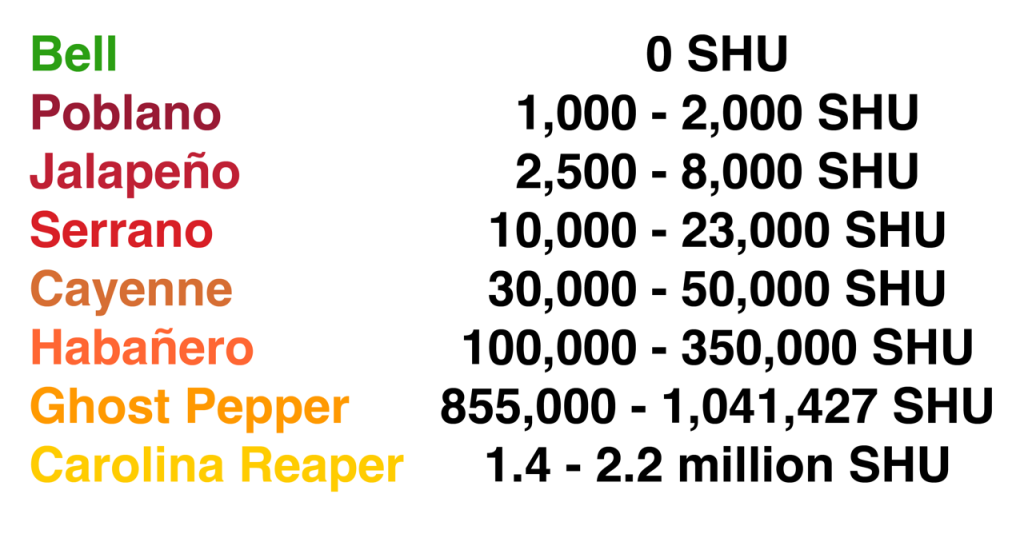
Scoville heat units, developed originally by Wilbur Scoville in 1912, measure the spiciness or pungency of hot peppers. The scale measures the amount of capsaicin in a pepper and assigns it a number rating in Scoville Heat Units. Even though the process has changed since Wilbur Scoville’s time, we continue to use his Scoville scale to measure the heat of peppers. The mildest peppers such as sweet bell peppers and banana peppers are at the bottom of the Index. In the middle are jalapeno, serrano and red cayenne peppers. At the top of the scale are the chili type peppers, Ghost and Carolina Reaper peppers. If cooking with the spicy peppers, make sure to wear rubber gloves and make sure you don’t touch your eyes! The oils from these peppers can cause your skin and eyes to burn! To make spicy peppers less spicy, scrape out the white membrane and seeds.
To know peppers is to grow peppers! Grow your own peppers.
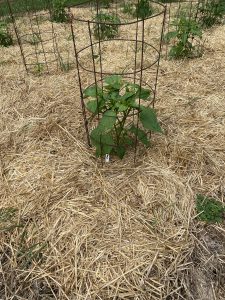
In Central Virginia, peppers are considered a long growing, warm season crop, grown as an annual plant, as it is frost sensitive and suffers slow growth during cool periods. If starting your plants from seeds, start indoors 6-8 weeks prior to average last frost date. The Virginia Cooperative Extension recommends setting out pepper transplants once the soil temperatures warm to around 70 degrees F., planting in full sun, spacing plants 18 to 24 inches apart in rows about 3 feet apart, and maintaining a soil pH of 6.0 to 6.5. Peppers need well-drained, loose soil with moderate organic matter and average moisture. Peppers may be grown in the ground or in raised beds and containers – make sure pots hold at least 5-gallons of soil for proper root development. Go light on the use of fertilizer as too much may cause excessive vegetative growth. Mulch plants with straw or leaves to retain water and reduce weeds. Peppers are produced on bushy plants that can reach 3-4 ft. in height and benefit from caging or staking. Most sweet peppers may reach a mature green stage in 70-85 days from transplanting and require an additional 2-3 weeks to fully ripen. Hot types, like the Habanero ripen 90-120 days from transplanting.
Common problems include bacterial leaf spot, anthracnose, blossom end rot, poor blossom and fruit set, sunscald, phytophthora, stink bugs, aphids and thrips. Remove plant debris at the end of the season and rotate planting locations regularly to limit disease and insect problems the following year. Do not plant peppers where other plants from the same Solanaceae family have been.
Celebrating National Pepper Month is all about taking the time to appreciate the different flavors, colors, shapes and versatility of peppers in creative and delicious ways. Here are a few ideas:
- Explore new pepper varieties.
The next time you go to the grocery store or local farmer’s market, purchase different types of peppers that you haven’t tasted before.
- Learn about pepper health benefits
Peppers are a healthy choice being low in fat and calories and cholesterol free.
Peppers in general are an excellent source of Vitamin C and A, (particularly the red bell) and are a good source of potassium, folic acid, fiber, and beta carotene
1 cup chopped raw or cooked bell pepper provides 1 cup of your daily vegetable requirement.
- Cook new pepper-themed recipes
Think stuffed peppers or roasted, peeled and stuffed peppers, spicy salsas, or hot pepper jelly on cream cheese appetizer.
- Host a pepper tasting party
Set up a fun experience for friends and family to try tasting with a variety of mild to spicy peppers. For many, eating spicy peppers is almost a test of bravery and endurance! Have the crackers or milk or yogurt on hand to ease the heat for the brave tasters.
- Make your own hot pepper sauce or refrigerator pickled Jalapenos
Research for some easy-to-make recipes. You can blend a few types of peppers to make a unique mix and bottle it for yourself and gifts.
- Grow your own peppers.
November is a good time to start planning and looking at seed catalogues to be ready to start new varieties in mid-February.
- Get creative with pepper crafts
Dehydrate peppers to make decorative wreaths, garlands, or balls. Experiment with photography to celebrate the vibrant colors and shapes.
- Participate in local events or challenges
Check for any events such as spicy food cook-offs/challenges, cooking classes, or pepper festivals.

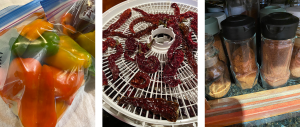
People love peppers for a mix of sensory, cultural and health reasons. Peppers are staples in a wide range of global cuisines – Mexican, Indian, Thai, Caribbean and many others. The love of peppers is often tied to traditional foods and family recipes making them a nostalgic and comforting ingredient. Many foodies, chefs and culinary lovers use this month to explore new recipes, spice up dishes and experiment with both sweet and hot pepper varieties. What is not to love about a fruit-vegetable that is easy to grow, you can slice and eat raw or use them in stir fry recipes, sauté them, roast them, pickle them, freeze them, or smoke and dehydrate them and make your own chili powder?
It’s time to celebrate the variety and versatility of peppers and give them the attention they deserve! Enjoy National Pepper Month!
Featured Photo: Fern Campbell
Resources:
Peppers, Virginia Cooperative Extension, SPES-684NP
Growing Peppers in a Home Garden, University of Maryland Extension
A Basic Guide to Hot Peppers, Auguste Escoffier School of Culinary Arts
Red bell pepper nutrition information USDA FoodData Central