
Most gardeners are familiar with the United States Department of Agriculture’s Plant Hardiness Zone Map, which divides the country into climatic zones based on predictable atmospheric conditions. The Charlottesville/Albemarle County area of Virginia lies within USDA Zone 7. In practical terms, a plant that is hardy only in a warmer zone is unlikely to survive our colder Zone 7 winters.
Microclimates, however, are more nuanced and varied. A microclimate is an area where conditions differ – slightly or significantly – from the surrounding area climate. A microclimate can range from a few feet to a large portion of a landscape, depending on the environmental factors that influence it.
Microclimates are characterized by a number of factors. They may be warmer or colder than the surrounding area or they may be sunnier or shadier, wetter or drier. They may be sheltered or windy, or they might be characterized by a difference in soil composition, pH, or any number of other factors.
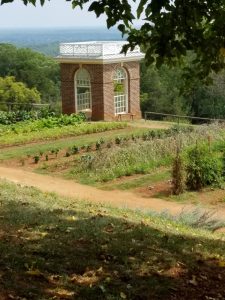
Many microclimates occur naturally, though they can also be created intentionally. A notable example in this area is Thomas Jefferson’s extensive vegetable garden at Monticello. Designed over 200 years ago, the garden is situated on a flat terrace that was carved out of the side of a south-facing slope. The grassy slope behind the garden offers protection from the wind. A massive 12-foot stone retaining wall on the south side of the terraced area absorbs heat from the sun and releases it at night. This combination of factors creates a unique microclimate that allows for a much longer growing season than the surrounding area.
FEATURES THAT CREATE MICROCLIMATES
Most landscapes, including even the smallest, have one or more microclimates. Here are some examples of features that can create a microclimate:
- Mature Shade Trees. The dense foliage of a mature shade tree can block strong summer sunlight, which noticeably cools the air beneath the tree.
- Hedges. A dense hedge can block strong winds and provide a protected area for delicate plantings. An added benefit is that hedges provide shelter and habitat for song birds and small mammals.
- Moist sites. A stream, pond or other body of water can raise the humidity in the area and create a moist site for plants that thrive in damp soil.
- Mulches and Ground Covers – We probably don’t think of mulched areas or ground covers as microclimates. However, they cool the soil and hold moisture in it, which reduces heat stress on plant roots.
- Greenhouses. Regardless of the chilly temperatures outdoors, the warm, moist environment of a greenhouse is perfect for overwintering tender plants and growing seedlings.
- Raised Beds. Raised beds drain faster and warm earlier in spring than traditional gardens, promoting earlier seed germination and an earlier start on the growing season. These warmer, drier conditions also extend the growing season in autumn.
- Eaves. These house features can create an area below that help protect cold-sensitive plants from frost damage. On the negative side, moisture from rain and snow may not reach the area beneath the eaves, making the soil too dry for some plants.
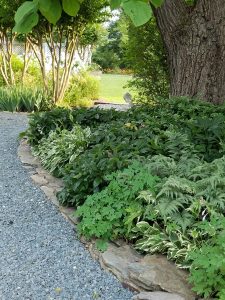
Large tree provides perfect microclimate for shade-loving plants. Photo: Pat Chadwick
COMMON FACTORS THAT INFLUENCE MICROCLIMATES
Some common factors that influence or contribute to microclimates include the following:
Orientation to the sun – Southern exposures receive sun throughout the day and are warmer and drier year-round. Eastern exposures receive morning sun, are typically less windy with moister soil. Western exposures receive afternoon sun creating hotter, windier, drier conditions. Northern exposures are shady most of the day, creating cooler, moister conditions.
Wind/air movement. Air circulation can moderate temperatures and help cool a site. However, strong air currents can present challenges. In winter and early spring, cold winds gusting from the north can damage or kill plantings. They also delay the soil from warming up in spring, which means later germination, bloom times, and harvests. In summer, hot, dry wind gusts can dry out soil and desiccate foliage, affecting food crops and ornamentals.
Precipitation levels. Excess soil moisture interferes with a plant’s ability to take up oxygen and nutrients and can cause roots to rot. Too little moisture, as in drought conditions, can prevent seeds from sprouting and significantly reduce crop production.
Nearby bodies of water. Ponds, streams, lakes and other bodies of water influence microclimates by increasing humidity and regulating air temperatures nearby. Water absorbs heat during the day and releases it at night, cooling nearby air in summer and providing warmth in colder weather, which can help protect plants from frost damage.
Type of vegetation. Mature trees, particularly ones with dense foliage, block sunlight and transpire water thereby creating a cooler, more humid microclimate. Densely planted shrubs, perennials and ground covers shade the soil and reduce moisture evaporation, which reduces stress on plant roots. Open grassy areas are generally hotter and drier with greater fluctuations in air temperature.
Terrain/Topography. Landforms such as hills, slopes, and flat areas affect temperatures, the distribution of precipitation, and water movement in the soil. The top of a slope or hill, for example, may be exposed to windy conditions that cause fluctuations in air temperature. As cold air sinks to the bottom of the slope, temperatures will be colder leading to potential frost damage. These affect temperatures and water movement in the soil.
Built environments. Concrete, brick, stone, asphalt, fences, and walls all absorb heat during the day and release it at night, creating localized “heat island” effects that can impact surrounding temperatures.
SOME WAYS TO CREATE OR CHANGE A MICROCLIMATE
Microclimates can be created or altered in a variety of ways:
Plant deciduous trees to create shade. When planted on the south side of a house, deciduous shade trees block the strong summer sunlight and lower the air temperature. The result is a cooler house and lower air conditioning expenses. Once the leaves drop, the weaker winter sunlight can reach the house and help warm the structure.
Create a windbreak. Good air circulation is essential for healthy plants, but too much wind can be damaging to plant health. Hot summer winds dry soil requiring more water to keep plants alive and can also damage foliage. Likewise, winter winds can also cause damage. A row of shrubs, evergreen trees, or other hedge plants can slow or diffuse drying winds and protect other plants. Evergreens are particularly effective on the north side of your house to block cold winter winds.
Use vines to provide shade. While vegetables require full sun, too much hot afternoon sun can stress plants and dry soil too quickly. To solve the problem in my own garden, I have trained vining plants such as purple hyacinth beans onto the west-facing wire deer fencing surrounding the garden. The foliage helps block the afternoon sun, serves as a windscreen, and the purple blossoms are attractive.

Use row covers, cloches, and cold frames in the vegetable garden. Row covers prolong the growing season by creating a warmer environment for vegetables at the beginning and end of the growing season. Cloches create a warmer, more humid environment that is beneficial for individual seedlings. Cold frames allow earlier planting and extend the normal growing season.
Protect seedlings and other tender plants with shade cloth. Shade cloth helps mitigate heat stress, protects foliage from sun scald and reduces loss of moisture. The knitted or woven, weather resistant fabric allows sunlight through to the plants beneath but reduces the intensity of the light. Shade cloth that blocks 30% of the sunlight is typically recommended for vegetables.
THE CONSEQUENCES OF ALTERING A MICROCLIMATE
Microclimates may change and evolve for many reasons. For example, a storm can uproot a mature tree instantly converting a shady microclimate to a full sun site. Conversely, as young trees grow to maturity, the shade they cast can gradually convert a sunny garden into a shady microclimate unsuitable for sun-loving plants.
Human choices can also impact microclimates. As with any landscape project, it’s important to think through your goals for the project and consider the potential consequences of your modifications to your landscape.
Thomas Jefferson’s vegetable garden at Monticello offers a compelling example of a microclimate that was intentionally created by humans. His goal was to create a sunny garden that warmed up earlier in spring and stayed warmer than the surrounding area well into late autumn. Creation of the garden is still regarded to this day as a herculean feat. However, there was one significant problem with the concept: There was no natural water source anywhere near the garden. Vegetables require a lot of water to thrive and be productive. To keep the garden thriving, Jefferson had to rely almost entirely on rainfall. Any supplemental water had to be transported from natural springs located elsewhere on the property. That was no easy feat 200 years ago, when you consider the distance and means of transport.
AND FINALLY
You can learn a lot about microclimates just by observing your own yard. Survey it in all four seasons because the light and temperatures change as the sun moves across the sky. An area that is in full sun in spring, for example, may be covered in long shadows from nearby trees in late summer. The average amount and intensity of sunlight received over the course of the growing season may help guide you on choosing plants that are best suited for that area.
As you conduct your survey, carry a notebook, pen and thermometer with you and take note of what you observe.
- Is the property flat or does it slope?
- Are there any low areas where cold air collects?
- Are there any bodies of water? If so, is the nearby soil damp or dry?
- Does the soil drain well?
- Is there a discernible difference in air temperature and humidity between a sunny area and a shady one?
- Is the site windy or is it sheltered from the wind?
With careful observation, you may discover that your landscape contains multiple microclimates—each influencing which plants will thrive there.
FEATURED PHOTO of shady microclimate created by a large shade tree. Photo Credit: Pat Chadwick
SOURCES
Getting to Know Your Yard’s Microclimates, PennState Extension
How to Assess Your Microclimates, University of California Marin Master Gardeners
Microclimates, University of Wyoming
New USDA Plant Hardiness Zone Map and Adapting to the Changes, Master Gardeners of Northern Virginia